
Why Hiring a Bookkeeper Doesn't Cost You Money — It Makes You Money

I was talking the other day to a business owner who had been running his company for six years.

He was sharp. Hardworking. Genuinely good at what he did. And he had been doing his own bookkeeping the entire time — every receipt, every entry, every reconciliation — himself. On evenings and weekends. After his family went to bed.
When I asked him why he hadn't hired someone, he said something I hear all the time:
"I just can't afford it right now."
We sat down together and looked at his books. Within forty-five minutes we had identified three years of missed deductions, two recurring expenses that had been miscategorized and were costing him at tax time, and a cash flow pattern that explained why he always felt broke in the third quarter — even in his best years.
The tax savings alone from those missed deductions exceeded what he would have paid a bookkeeper for two full years.
He couldn't afford NOT to have one. He just didn't know it yet.
The Belief That's Costing You Money
There is a belief held by a surprising number of small business owners — good, intelligent, hardworking people — that bookkeeping is an expense to be minimized. A cost to be delayed until the business is "big enough." Something to handle yourself to save money.
I understand where that belief comes from. Cash is tight. Every dollar matters. And bookkeeping, unlike marketing or inventory or payroll, doesn't feel like it directly generates revenue.
But that belief, held long enough, is one of the most expensive financial decisions a business owner can make.
Because here is the truth: a great bookkeeper doesn't cost you money. He makes you money. Not as a figure of speech. In real, measurable, documented dollars — found, saved, protected, and generated as a direct result of having clean, accurate, professionally maintained books.
Let me show you exactly how.
Way #1: Recovered Tax Deductions
The IRS does not send you a letter saying you missed a deduction. They do not volunteer information that reduces your bill. The burden falls entirely on you to know what you're entitled to and to document it properly.
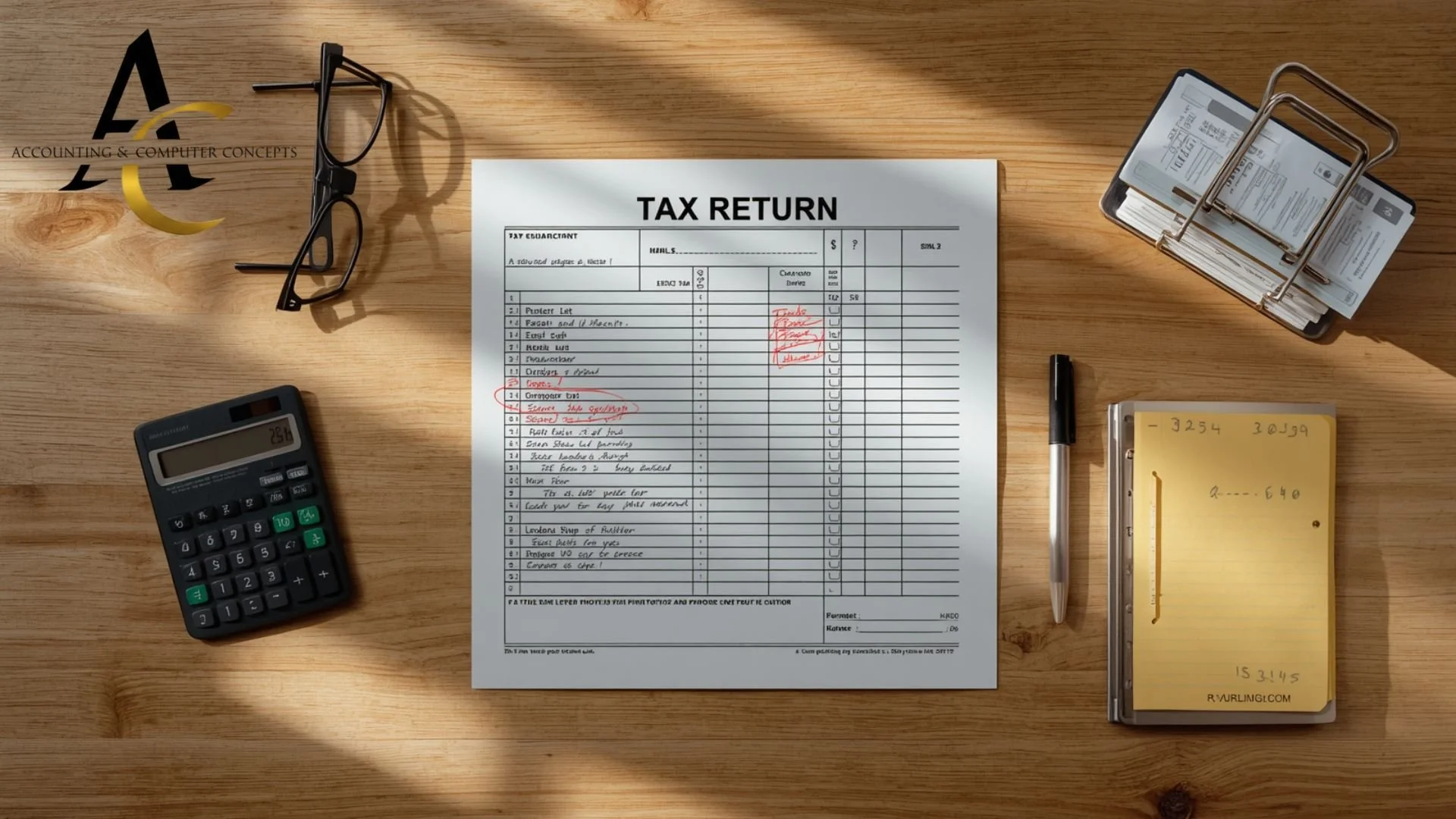
The average small business owner who manages their own books misses thousands of dollars in legitimate deductions every single year. Not from dishonesty. From unawareness. From transactions that were miscategorized, receipts that were never recorded, and expenses that were paid personally but never transferred to the business.
A skilled bookkeeper knows the deductions. He knows how to categorize transactions to maximize your legitimate tax position. He knows which expenses are deductible, how to document them correctly, and how to structure your books so that your CPA has everything they need to minimize your tax bill at year end.
For many business owners, the tax savings in the first year of working with a professional bookkeeper exceed the annual cost of the service entirely. The bookkeeper has already paid for herself — and that's before we count anything else on this list.
Way #2: Time Returned to Revenue-Generating Work

Time is your most finite resource as a business owner. Every hour you spend entering receipts, reconciling accounts, and chasing down statements is an hour you are not serving clients, developing new business, leading your team, or doing the work your business was actually built to do.
Let's put a number to it. If you spend 10 hours per month on bookkeeping — a conservative estimate for most business owners doing it themselves — and your time is worth $100 per hour in revenue-generating activity, that's $1,000 per month in opportunity cost. $12,000 per year in time that could have been spent building your business instead of recording it.
A professional bookkeeper handles that work in a fraction of the time — because it is what he does, with tools and systems refined over years of practice. And the hours he returns to you are hours you can invest in the work that actually grows your revenue.
Way #3: Errors That Would Have Cost You Dearly
Bookkeeping errors are not just embarrassing. They are expensive. And they compound.

A transaction miscategorized in January affects your financial reports in February, your tax position in April, and your business decisions all year long. An overlooked bank fee, an unrecorded invoice, a payroll entry that doesn't reconcile — each one is a small crack in a foundation that is supposed to hold the weight of every financial decision you make.
The IRS charges penalties and interest for underpayment. Banks charge fees for overdrafts caused by inaccurate cash flow projections. Vendors charge late fees when bills get missed in the chaos of unorganized books. Each of these is a real, preventable, dollar-denominated cost — one that a professional bookkeeper eliminates or dramatically reduces.
And then there is the audit risk. Clean, accurate, professionally maintained books are one of the most powerful protections a small business can have in an audit. The cost of defending an audit with messy books is substantial — in accountant fees, in time, and in the exposure that comes from records that can't tell a clear story.
Way #4: Better Decisions From Better Information

This one is harder to put a number on — but it may be the most valuable item on the list.
When your books are clean and current, you can see your business clearly. You know your profit margins. You know your cash flow cycle. You know which clients are most profitable and which services cost more to deliver than they generate in revenue. You know when a slow quarter is coming and you can prepare for it — rather than being blindsided by it.
That clarity is worth an extraordinary amount of money. The business owner who makes decisions with accurate, current financial information consistently outperforms the one making decisions on gut feel and outdated numbers. Better decisions compound over time — and so do poor ones.
A bookkeeper doesn't just record your past. He illuminates your future.
Way #5: Your CPA Works Faster — And Costs You Less
Here is one that most business owners never consider.

CPAs typically charge between $150 and $400 per hour. When they receive disorganized, incomplete, or inaccurate books, a significant portion of your CPA bill goes toward cleaning up the data before they can do the actual tax work. That's not tax strategy. That's remediation — and you are paying premium hourly rates for it.
When your books arrive clean, current, and accurately categorized, your CPA can go straight to the work that actually requires their expertise. Strategy. Planning. Complex decisions. The things that genuinely require a CPA's mind and training.
The savings on your annual CPA bill alone — when your bookkeeper has done her job well all year — frequently offsets a significant portion of the bookkeeping cost itself.
Way #6: Cash Flow Visibility That Prevents Crisis
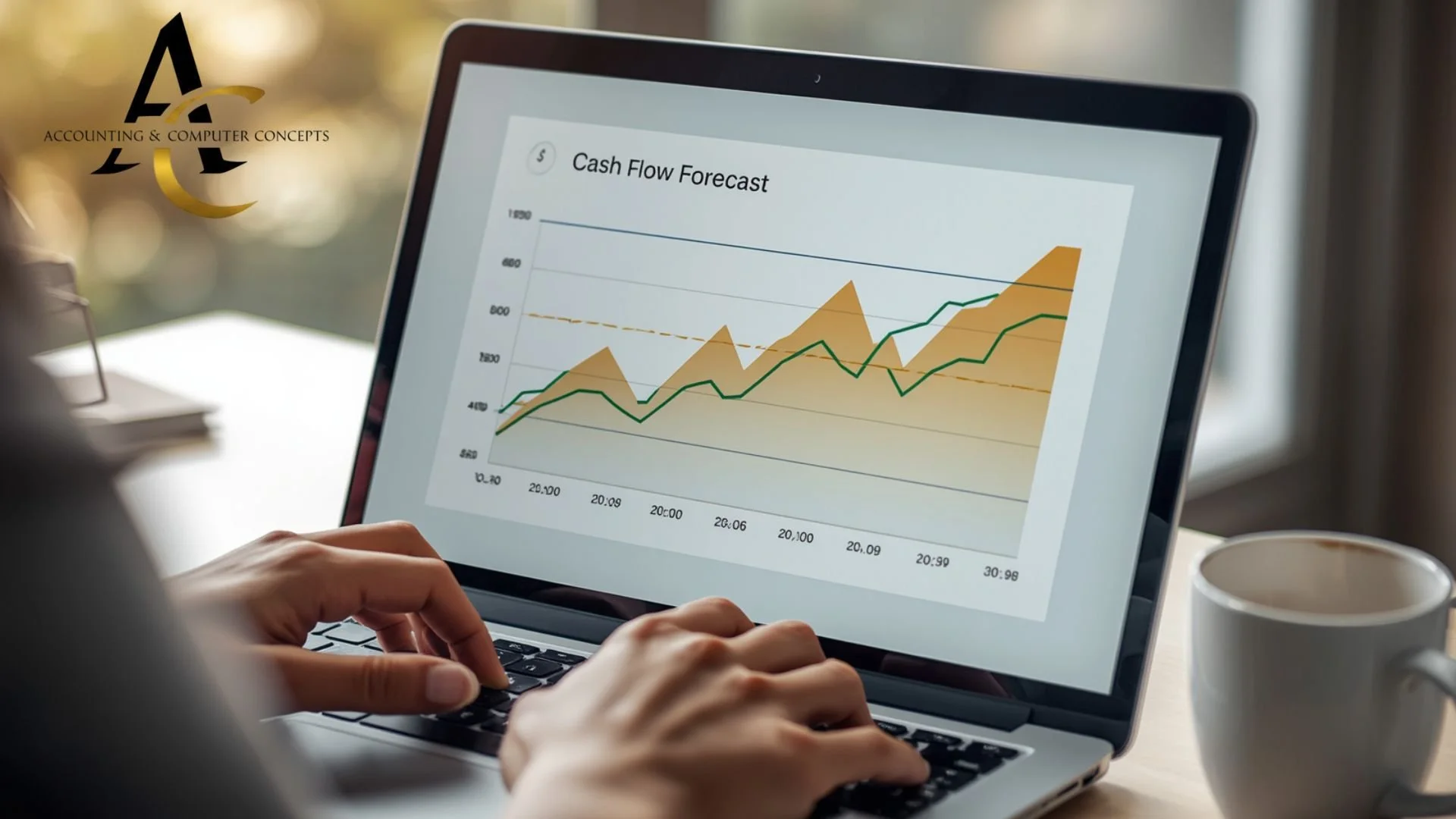
More small businesses fail from cash flow problems than from any other single cause. And the painful irony is that most of those cash flow crises were visible in advance — to someone who knew how to read the numbers.
A professional bookkeeper who maintains your books consistently and reviews your financial reports every month can see the warning signs before they become emergencies. Receivables aging beyond 60 days. Expenses trending upward against flat revenue. A cash position that will be stressed in six weeks if collections don't improve.
That advance warning is worth an extraordinary amount. The cost of a cash flow crisis — the emergency loan, the missed payroll, the vendor relationship damaged by a late payment — dwarfs the annual cost of the bookkeeper who could have seen it coming and helped you prevent it.
The Real Question
The question was never "Can I afford a bookkeeper?"

The real question is: "How much is it costing me not to have one?"
And for most business owners, when they sit down and honestly count the missed deductions, the hours spent, the errors made, the CPA time wasted, and the decisions made without clear information — the answer is sobering.
You work too hard for your money to manage it any way other than excellently. Your business deserves books that are clean, current, and working in your favor every single month.
At Accounting & Computer Concepts, we don't just keep your books. We pay for ourselves — in tax savings, in time returned, in errors prevented, and in the financial clarity that helps you lead your business well.
We would love to show you exactly how.
👉 Schedule a free consultation — see how we pay for ourselves.