

What Your Business Bank Account Is Trying to Tell You
Your business bank account is not just a number — it's a message. Here's how to read what it's actually telling you about the health of your business before small problems become serious ones.

Why Hiring a Bookkeeper Doesn't Cost You Money — It Makes You Money
There is a belief held by a surprising number of small business owners — good, intelligent, hardworking people — that bookkeeping is an expense to be minimized. A cost to be delayed until the business is "big enough." Something to handle yourself to save money.
I understand where that belief comes from. Cash is tight. Every dollar matters. And bookkeeping, unlike marketing or inventory or payroll, doesn't feel like it directly generates revenue.
But that belief, held long enough, is one of the most expensive financial decisions a business owner can make.
Why I Use QuickBooks Exclusively — And Why I'm Honest About Its Shortcomings
QuickBooks isn't perfect — but for most small businesses, it's the most powerful, adaptable accounting platform available. Here's an honest look at why I recommend it exclusively and how it works for businesses of every size.
Good Debt vs. Bad Debt: What Every Business Owner Should Know
Not all debt is created equal. Some debt builds your business — and some quietly destroys it. Here's how to tell the difference and make borrowing work for you instead of against you.

How to Read a Cash Flow Statement Without an Accounting Degree
It is one of the most confusing, frustrating, and honestly demoralizing experiences a business owner can have.
You look at your Profit & Loss statement and the numbers look good. Revenue is up. You landed new clients. By every visible measure, you're winning.
And then you look at your bank account — and your stomach drops.
How is this possible? How can a business be profitable and still feel broke?
I want to answer that question today — clearly, honestly, and in a way that actually helps you do something about it. Because this isn't just a financial puzzle. For many business owners, it's a source of genuine anxiety and confusion that deserves a real answer.
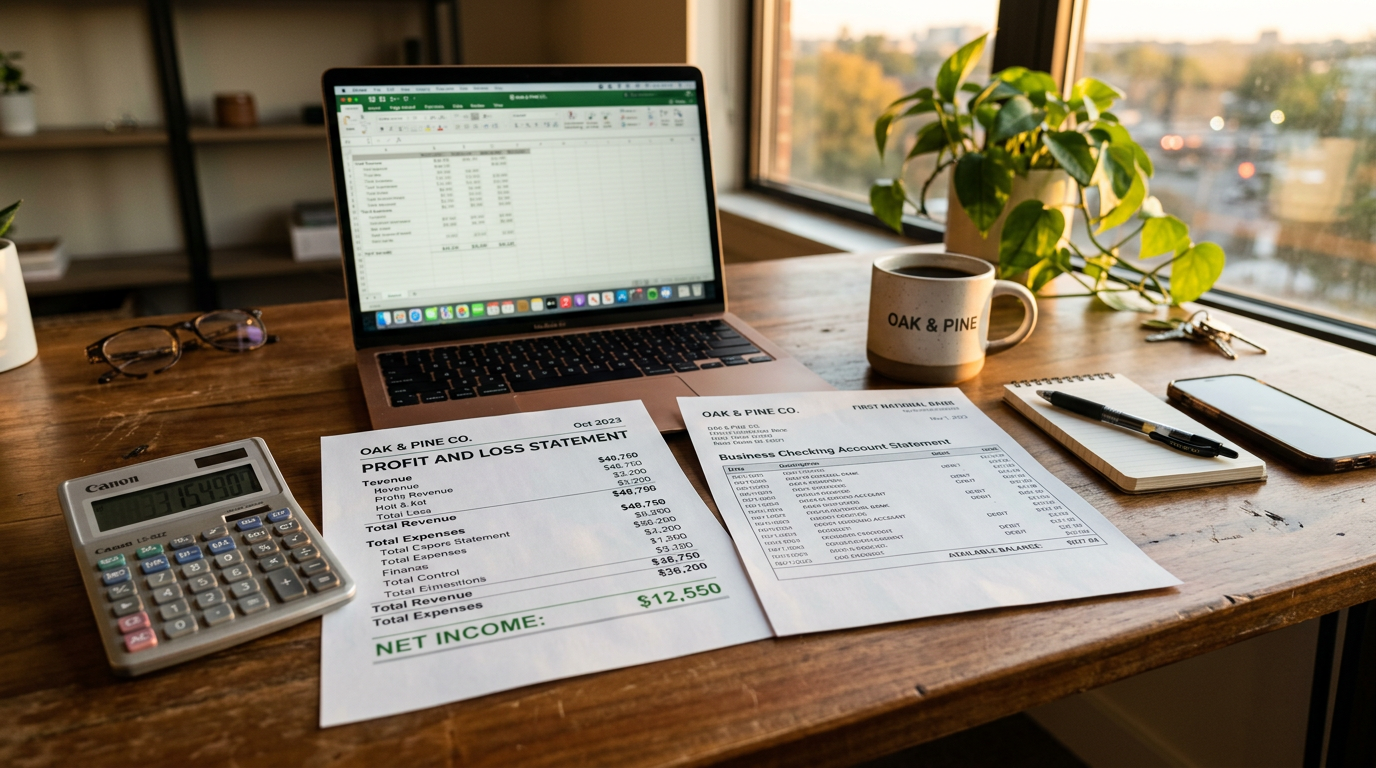
Why Your Business Is Profitable But Still Cash-Poor
You're working hard, revenue is up, and your P&L looks healthy — so why does the bank account feel empty? Here's the real reason profitable businesses run out of cash, and what to do about it.
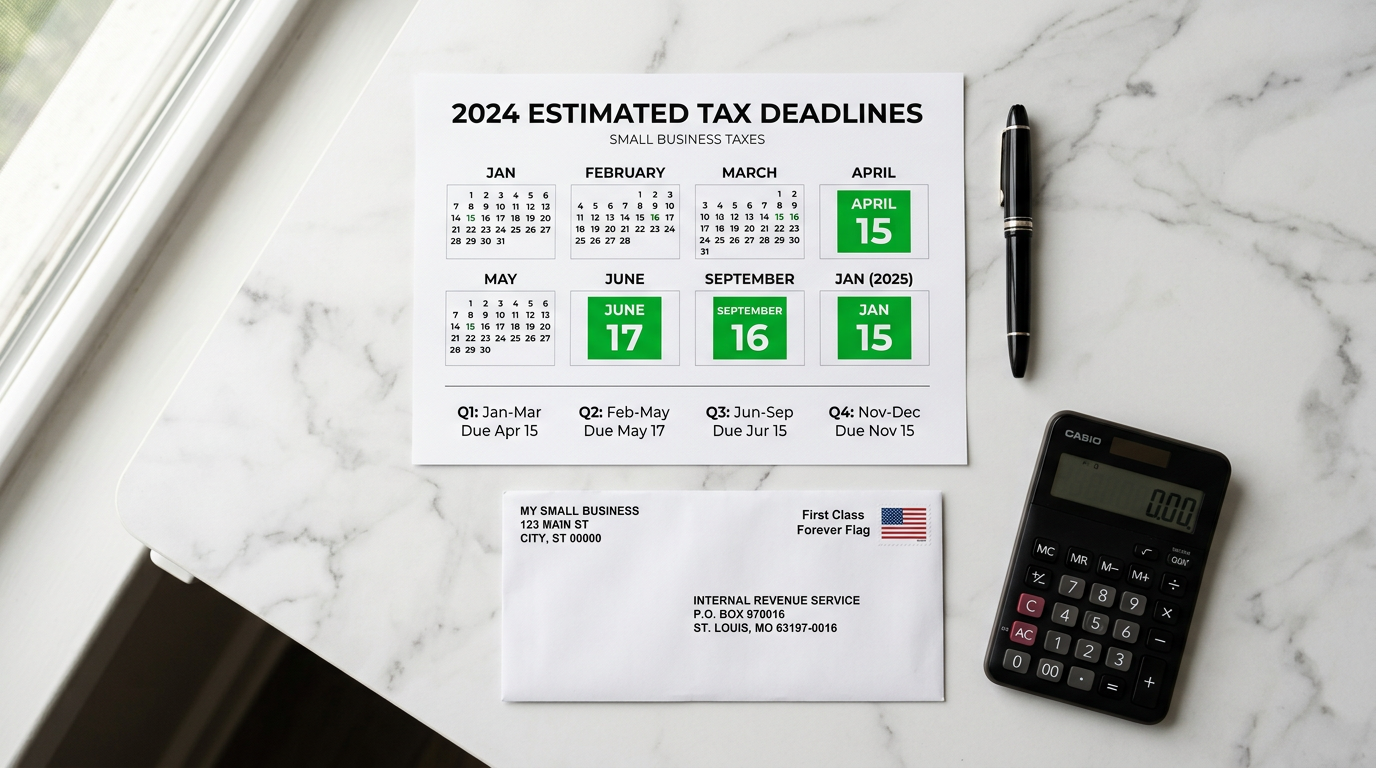
How to Stay Tax-Ready All Year (Not Just in April)
Tax season doesn't have to be stressful. Here's how small business owners can stay tax-ready all year long — with simple habits, and a quarterly rhythm to make it easy.
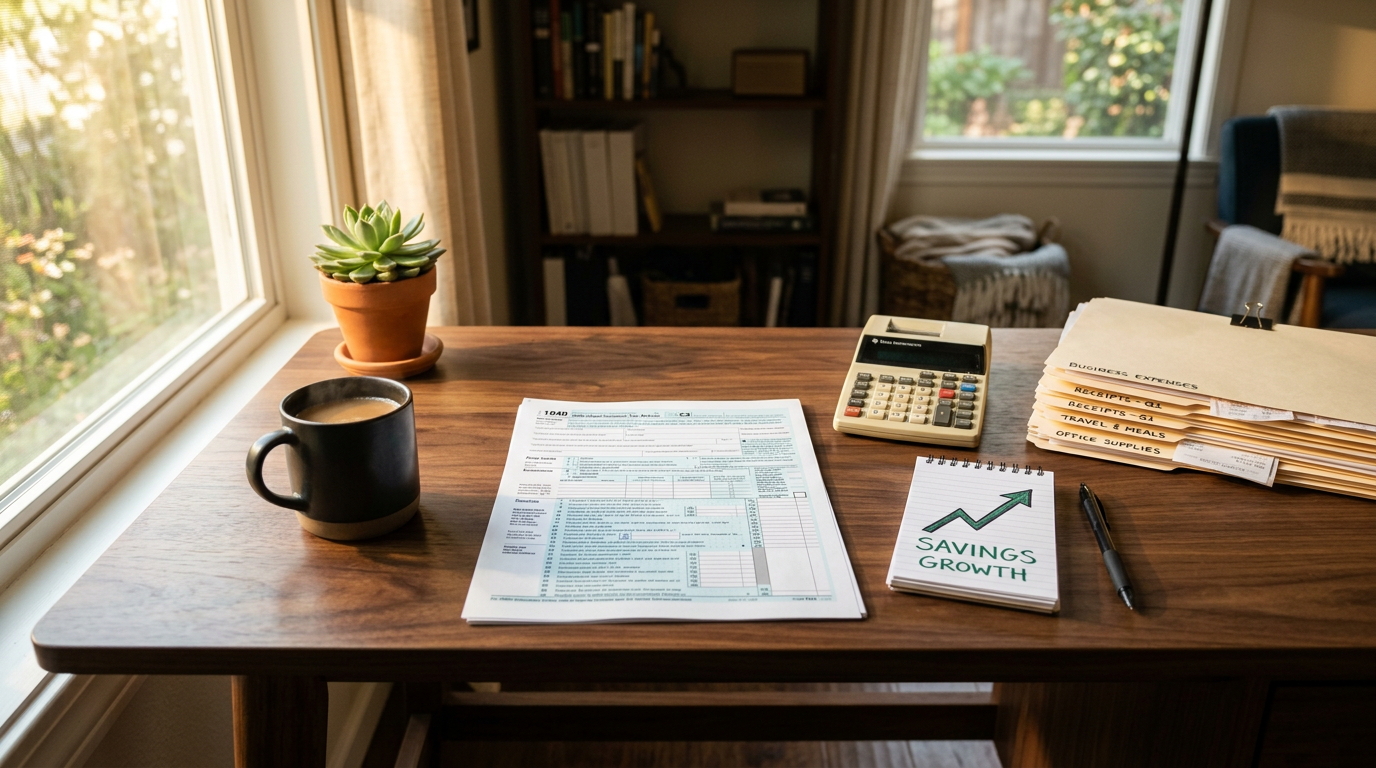
5 Tax Deductions Most Small Business Owners Miss (And the Money They're Leaving Behind)
Every April, I watch the same thing happen.
Business owners sit down with their tax returns — or hand them off to someone — and they pay their bill without ever asking a critical question: "Did we get everything we were owed?"
Most of the time, the honest answer is no.
Not because anyone did anything wrong. But because no one ever told them what to look for. The tax code is not written for the business owner working 60-hour weeks trying to serve their clients and lead their team. It's dense, it's complex, and the deductions that could save you the most money are often the ones buried deepest.
That's where I come in. Think of this post as your guided walk through five of the most commonly missed tax deductions for small business owners in 2026 — with plain-English explanations and the real dollar impact each one can have. Let's make sure you're not leaving a single dollar on the table that belongs to you.

What Your Profit & Loss Statement Is Actually Telling You
Your P&L statement is more than a tax document — it's the financial heartbeat of your business. Learn how to read it, understand what it's really saying, and use it to lead your business with confidence.
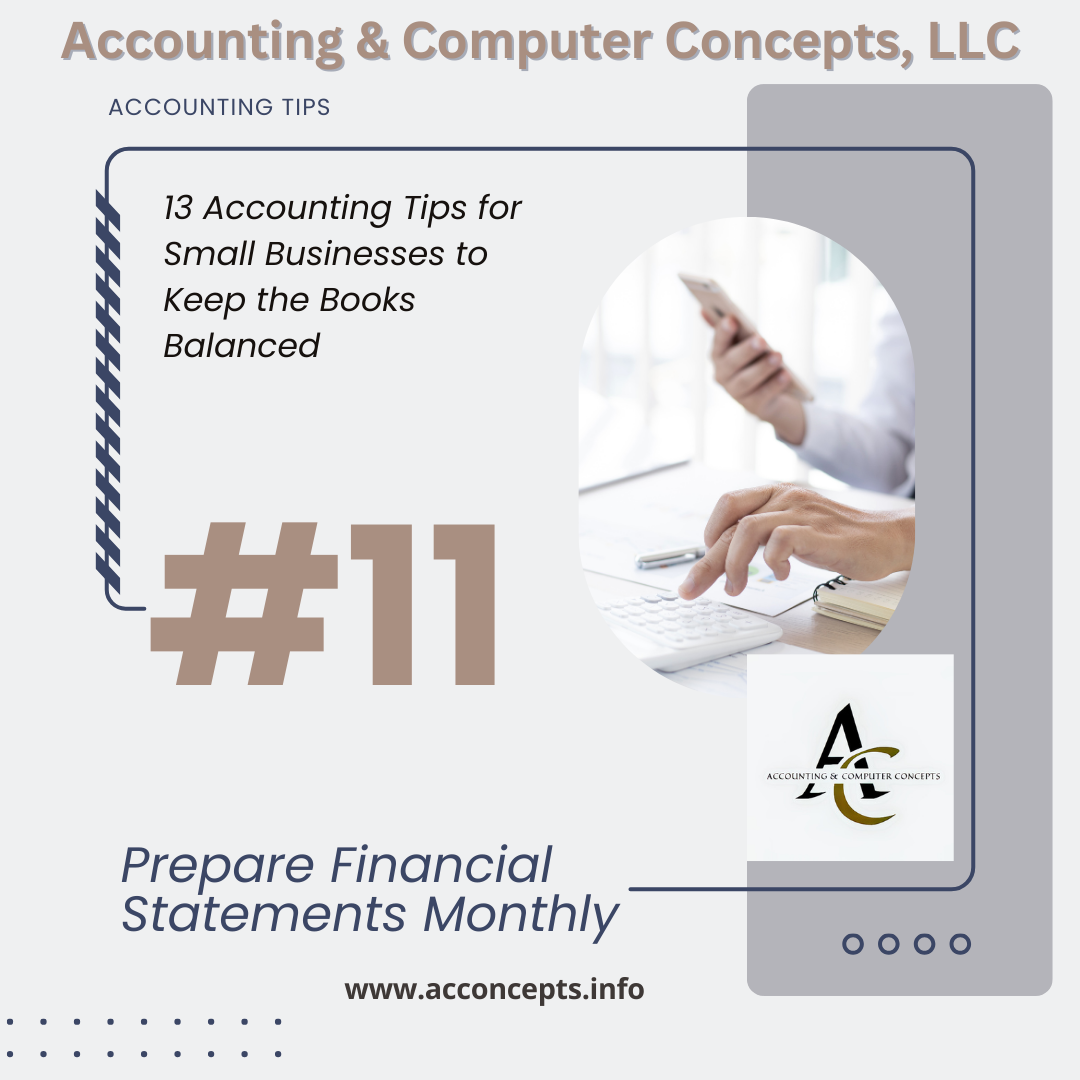
Why Preparing Financial Statements Monthly is a Game Changer for Small Businesses
Monthly financial statements typically include your balance sheet, income statement (profit and loss), and cash flow statement. These documents give you a snapshot of your business’s financial health, showing what you own, what you owe, how much you’re earning, and where your money is going.

Mastering Small Business Finances by Separating Personal and Business Accounts
If you’re running a small business, one of the best pieces of advice you’ll hear is to keep your personal and business accounts separated. It may sound like a small detail, but it can make a world of difference in how smoothly your business runs.

Home Sweet Tax Deduction: Unleash the Power of Your Home Office
The home office deduction is a valuable tax benefit for small business owners and self-employed individuals who use a portion of their home for business purposes.