
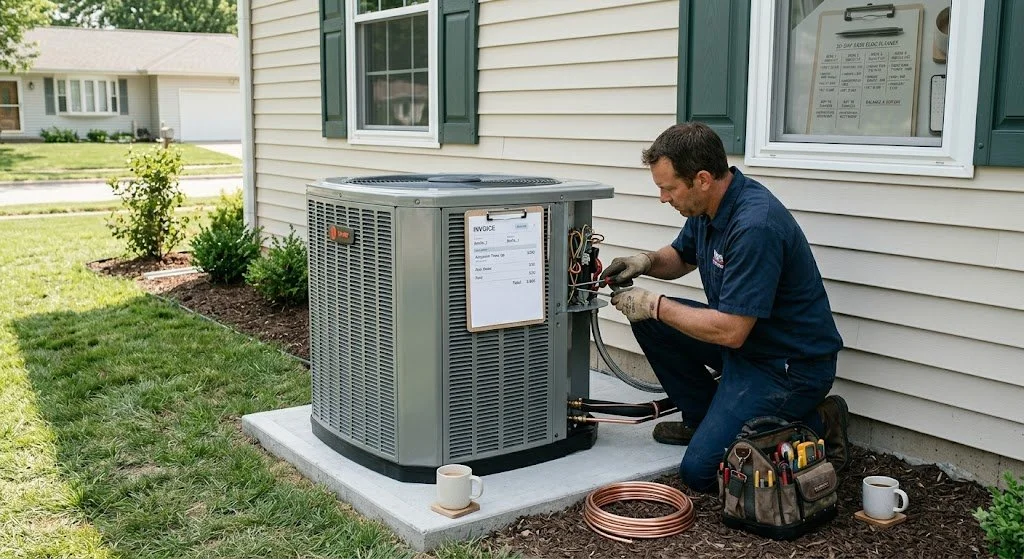
Why Profitable HVAC Calls Still Leave You Short on Cash
Profitable jobs, thin bank account? Here's why cash flow and profit aren't the same for HVAC contractors — and five fixes you can start this week.
The first version works well for the main excerpt field since it keeps the hook intact and previews the value ("five habits"), while the shorter one is better suited for social previews or a sidebar teaser where space is limited.

Surviving the Off-Season: A Simple Cash Reserve Plan for Lawn Care Companies
"Winter income drops don't have to mean panic. Learn how to calculate your real cash reserve number and build a simple savings habit before the off-season hits."

Why Contractors Run Out of Cash Even When Profitable (And How to Fix It)
Many contractors show a profit on paper but run out of cash in the bank. Here's why that gap happens — and five ways to fix it.
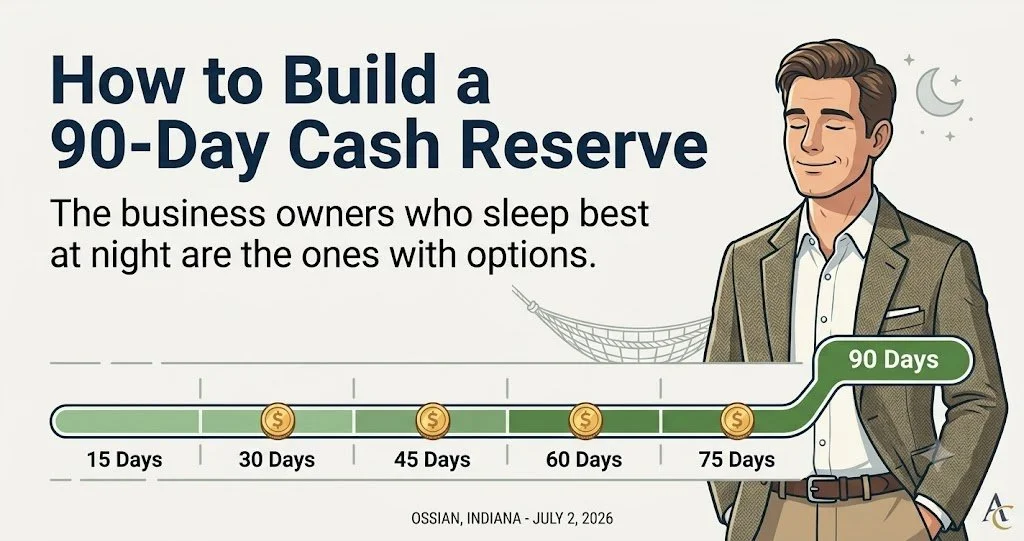
How to Build a 90-Day Cash Reserve (And Why It's the Most Important Financial Goal You Can Set)
The business owners who sleep best at night are not the ones making the most money. They’re the ones with a cash reserve that gives them options when things get hard. Here’s how to calculate your 90-day number, build it even when cash is tight, and protect your business from slow months, surprise expenses, and sudden revenue dips.

What Is a Chart of Accounts — And Why Yours Might Be Sabotaging Your Business
Your chart of accounts is the foundation of every financial report your business produces — and most small business owners have never touched theirs. If QuickBooks set it up for you and you just moved on, there's a good chance your reports are misleading you right now. Here's what a chart of accounts actually is, why the default setup isn't built for your business, and what to do about it.

Sales Tax for Small Business: What You Don't Know Can Cost You
Sales tax is one of the most misunderstood and most aggressively enforced compliance areas for small businesses — and the rules changed significantly after 2018. If you haven't reviewed your obligations recently, this post could save you from a costly surprise.
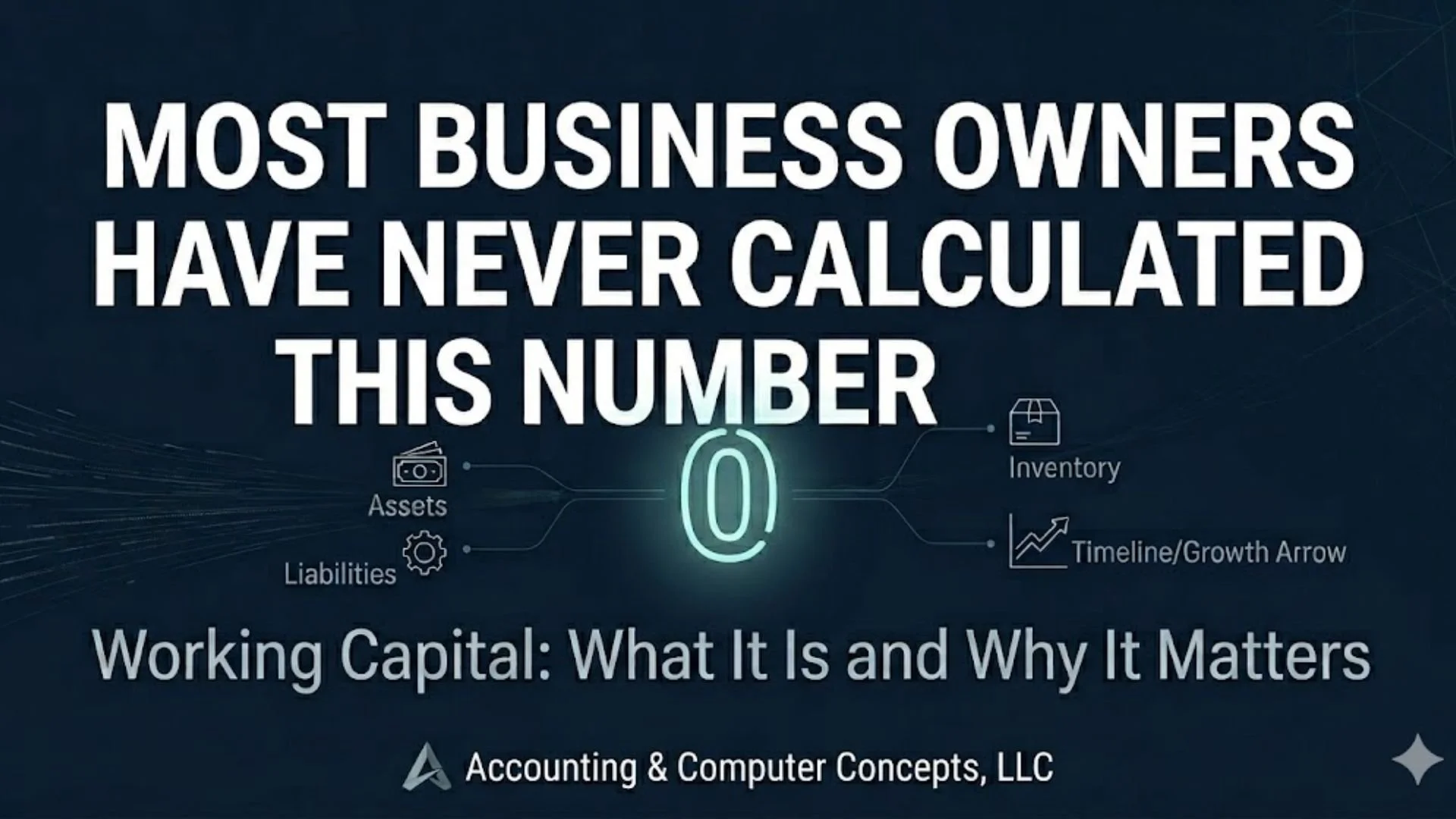
What Is Working Capital — And Why Every Business Owner Needs to Understand It
There's one number in your business that determines whether you can survive a slow month, an unexpected bill, or a growth opportunity — and most business owners have never calculated it.

The Real Cost of a Bad Hire — And How Your Books Can Help You Avoid One
Most business owners hire based on how busy they feel — not based on what their numbers actually support. Here's how to use your P&L and cash flow to know if you're truly ready to hire.

How to Pay Yourself as a Small Business Owner (Without Hurting Your Business)
Most small business owners are either paying themselves last or pulling money out with no system — and both quietly damage your business finances. Here's how to build a simple, sustainable pay structure that works for you and your business.

What Your Business Bank Account Is Trying to Tell You
Your business bank account is not just a number — it's a message. Here's how to read what it's actually telling you about the health of your business before small problems become serious ones.
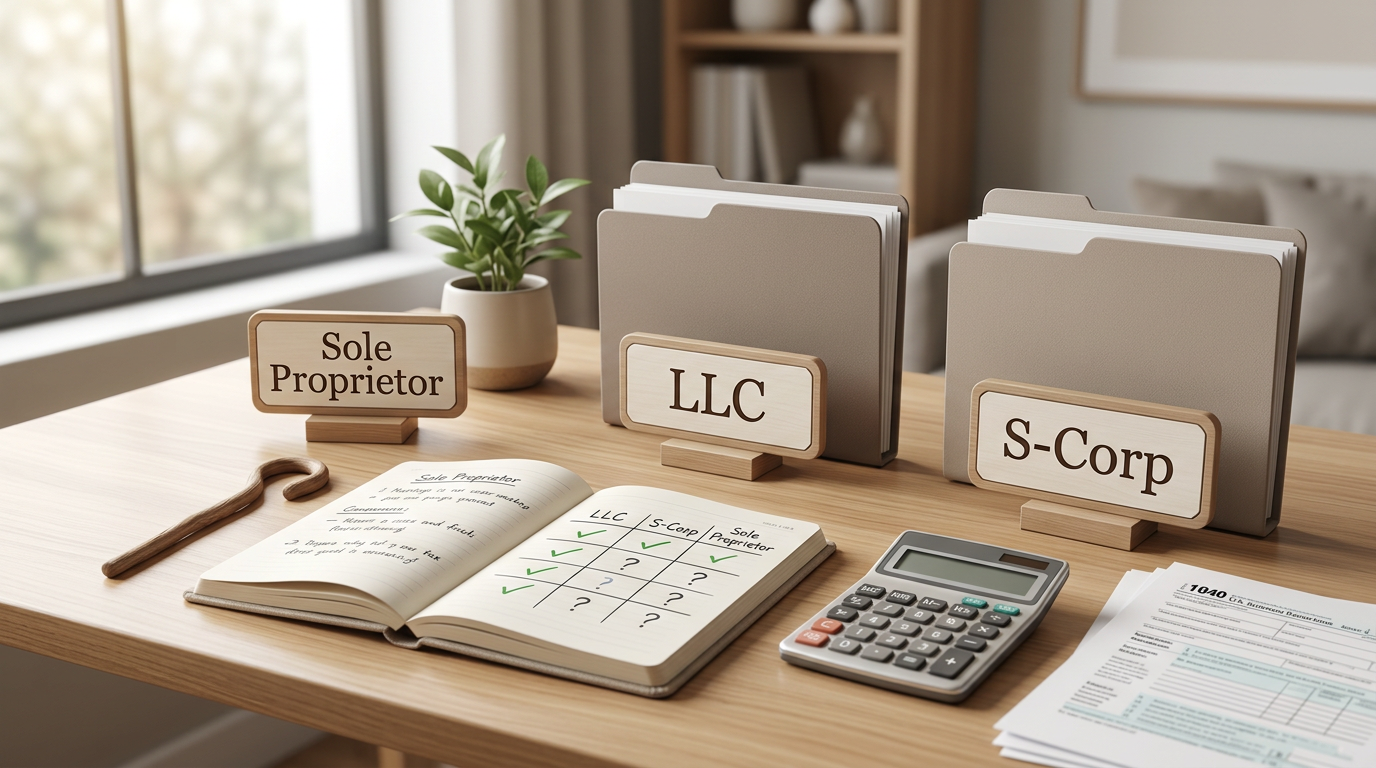
LLC vs. S-Corp vs. Sole Proprietor: Which Business Structure Saves the Most on Taxes?
Choosing the right business structure can affect both your taxes and your long-term protection. In this post, we walk through the differences between a sole proprietorship, LLC, and S-corp so you can make a wise, tax-efficient decision for your business.

It's June — Here's the Mid-Year Financial Checkup Your Business Needs Right Now
Here's the reality check you didn't know you needed: you are halfway through the year. The decisions you make in the next 90 days will determine where your business lands in December. Not the decisions you make in November — by then, you're reacting instead of leading. Right now, in June, you still have time to steer.
Let's walk through exactly what you should be looking at today.

Monthly Financial Checklist: What Every Business Owner Should Review
Monthly financial reviews don't just keep your books clean. They change the way you lead your business. When you know your numbers — really know them, every month — you stop making decisions based on gut feeling and start making them based on reality. You see opportunities earlier. You catch problems sooner. And you walk into every season of your business with the confidence that comes from genuine clarity.

Why Hiring a Bookkeeper Doesn't Cost You Money — It Makes You Money
There is a belief held by a surprising number of small business owners — good, intelligent, hardworking people — that bookkeeping is an expense to be minimized. A cost to be delayed until the business is "big enough." Something to handle yourself to save money.
I understand where that belief comes from. Cash is tight. Every dollar matters. And bookkeeping, unlike marketing or inventory or payroll, doesn't feel like it directly generates revenue.
But that belief, held long enough, is one of the most expensive financial decisions a business owner can make.

Hiring an Employee vs. a Contractor: The Financial Difference Explained
It starts innocently enough.
You need help. A neighbor does great work. A college student is available. A freelancer reaches out at just the right moment. So you bring them on, pay them for their time, and move forward.
And then, months later — sometimes years later — you find out that the way you classified that worker didn't line up with how the IRS sees it. And the cost of that misalignment isn't small.

How AI Is Changing Bookkeeping (And What That Means for You)
Every generation of business owners has faced a moment when the tools changed.
The ledger gave way to the spreadsheet. The spreadsheet gave way to accounting software. And now, artificial intelligence is stepping into the conversation — and it's changing things faster than most people realize.
I've had more conversations in the past twelve months about AI and bookkeeping than in the previous five years combined. Business owners want to know: Should I be using this? Is it safe? Is it accurate? And the question underneath all the others — the one most people are almost afraid to ask out loud:
Is my bookkeeper about to be replaced by a machine?
I want to answer that honestly today. Not with hype. Not with fear. But with the kind of clear-eyed, plain-English perspective that actually helps you make good decisions for your business.
Why I Use QuickBooks Exclusively — And Why I'm Honest About Its Shortcomings
QuickBooks isn't perfect — but for most small businesses, it's the most powerful, adaptable accounting platform available. Here's an honest look at why I recommend it exclusively and how it works for businesses of every size.
Good Debt vs. Bad Debt: What Every Business Owner Should Know
Not all debt is created equal. Some debt builds your business — and some quietly destroys it. Here's how to tell the difference and make borrowing work for you instead of against you.

How to Read a Cash Flow Statement Without an Accounting Degree
It is one of the most confusing, frustrating, and honestly demoralizing experiences a business owner can have.
You look at your Profit & Loss statement and the numbers look good. Revenue is up. You landed new clients. By every visible measure, you're winning.
And then you look at your bank account — and your stomach drops.
How is this possible? How can a business be profitable and still feel broke?
I want to answer that question today — clearly, honestly, and in a way that actually helps you do something about it. Because this isn't just a financial puzzle. For many business owners, it's a source of genuine anxiety and confusion that deserves a real answer.
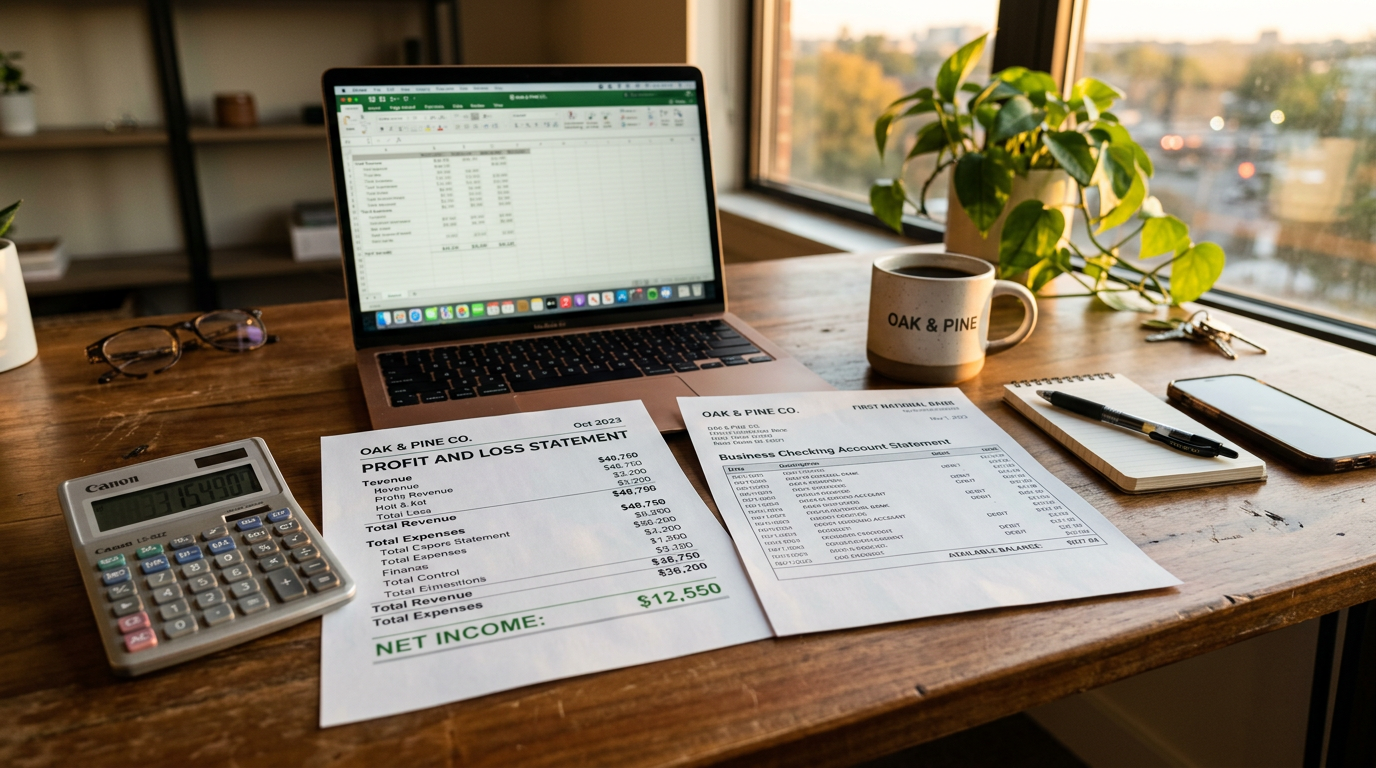
Why Your Business Is Profitable But Still Cash-Poor
You're working hard, revenue is up, and your P&L looks healthy — so why does the bank account feel empty? Here's the real reason profitable businesses run out of cash, and what to do about it.