
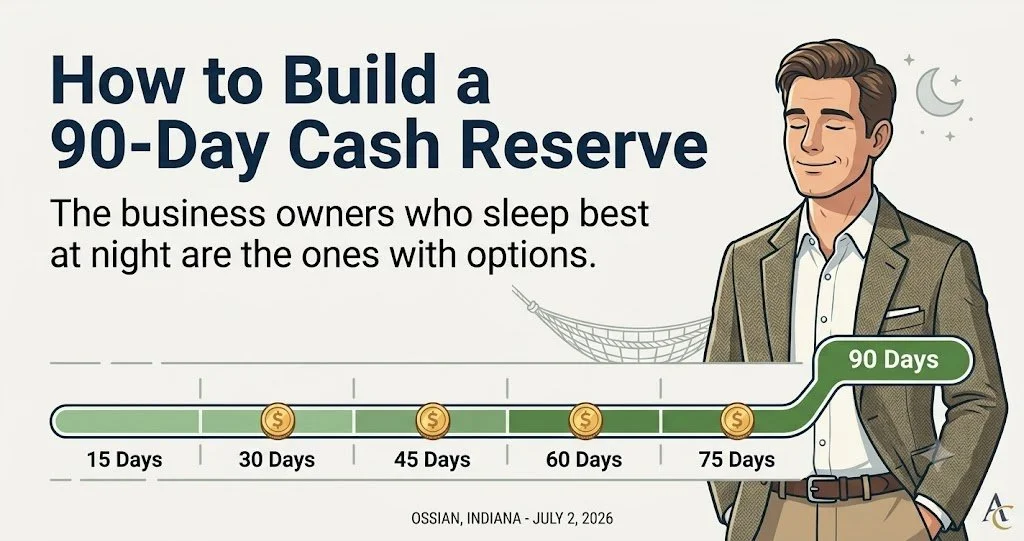
How to Build a 90-Day Cash Reserve (And Why It's the Most Important Financial Goal You Can Set)
The business owners who sleep best at night are not the ones making the most money. They’re the ones with a cash reserve that gives them options when things get hard. Here’s how to calculate your 90-day number, build it even when cash is tight, and protect your business from slow months, surprise expenses, and sudden revenue dips.
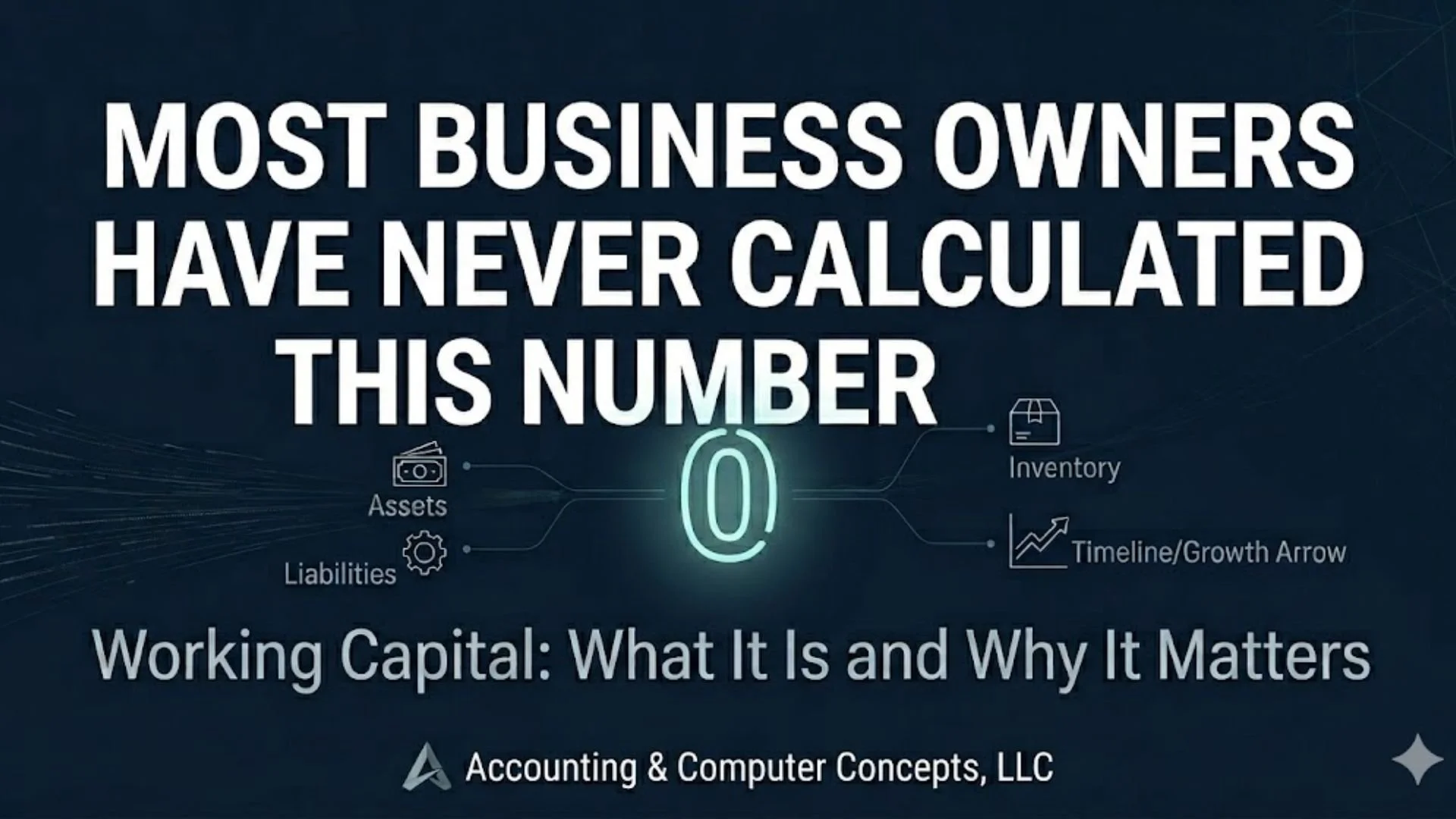
What Is Working Capital — And Why Every Business Owner Needs to Understand It
There's one number in your business that determines whether you can survive a slow month, an unexpected bill, or a growth opportunity — and most business owners have never calculated it.

The Real Cost of a Bad Hire — And How Your Books Can Help You Avoid One
Most business owners hire based on how busy they feel — not based on what their numbers actually support. Here's how to use your P&L and cash flow to know if you're truly ready to hire.

Good Debt vs. Bad Debt: What Every Business Owner Should Know
Not all debt is created equal. Some debt builds your business — and some quietly destroys it. Here's how to tell the difference and make borrowing work for you instead of against you.

How to Read a Cash Flow Statement Without an Accounting Degree
It is one of the most confusing, frustrating, and honestly demoralizing experiences a business owner can have.
You look at your Profit & Loss statement and the numbers look good. Revenue is up. You landed new clients. By every visible measure, you're winning.
And then you look at your bank account — and your stomach drops.
How is this possible? How can a business be profitable and still feel broke?
I want to answer that question today — clearly, honestly, and in a way that actually helps you do something about it. Because this isn't just a financial puzzle. For many business owners, it's a source of genuine anxiety and confusion that deserves a real answer.